A course built to get a developer to their first deploy
The startup I was at sold cloud infrastructure to people who already knew what a container was. That audience was small; the bigger one was afraid of the technology. So I built the top of the funnel: a free course that gets a developer to a running service, then hands them the platform that runs it.
Lower the entry barrier and the platform sells itself
Two courses, on the two technologies our products stood on: Docker, which L1veStack is built around, and Kubernetes for the full cloud. Free at first, with a paid version as a second business line if the pilot held up. Before writing anything I went through how the existing education products teach this — what they promise, how long they take, where they lose people — and built against the gap: everyone taught the concept, nobody handed you a running service. I had never worked in EdTech, so I found a producer with shipped education products and we wrote the lessons together — with developers from the core team and a designer from H3llo Cloud on the landing page.

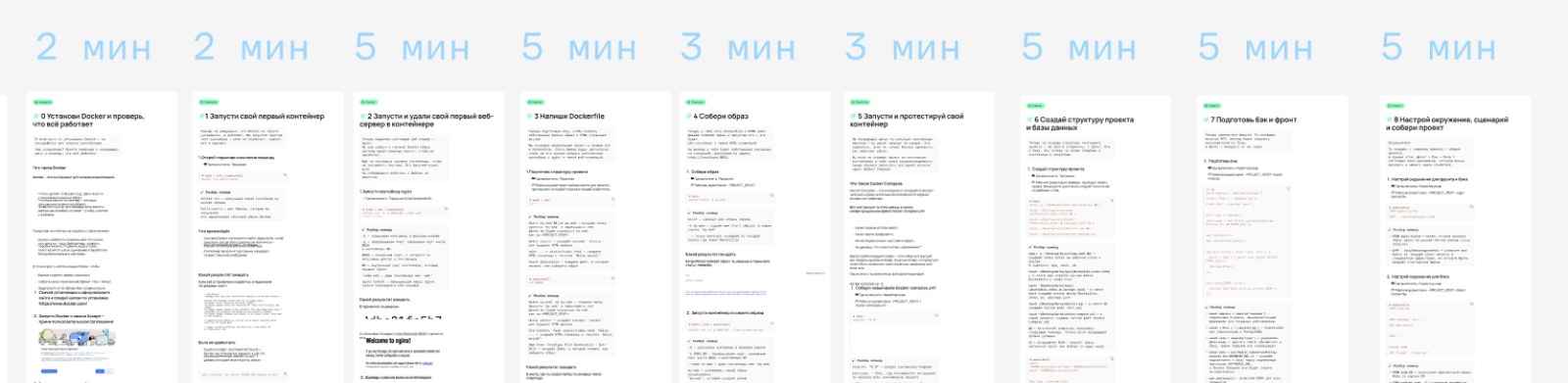
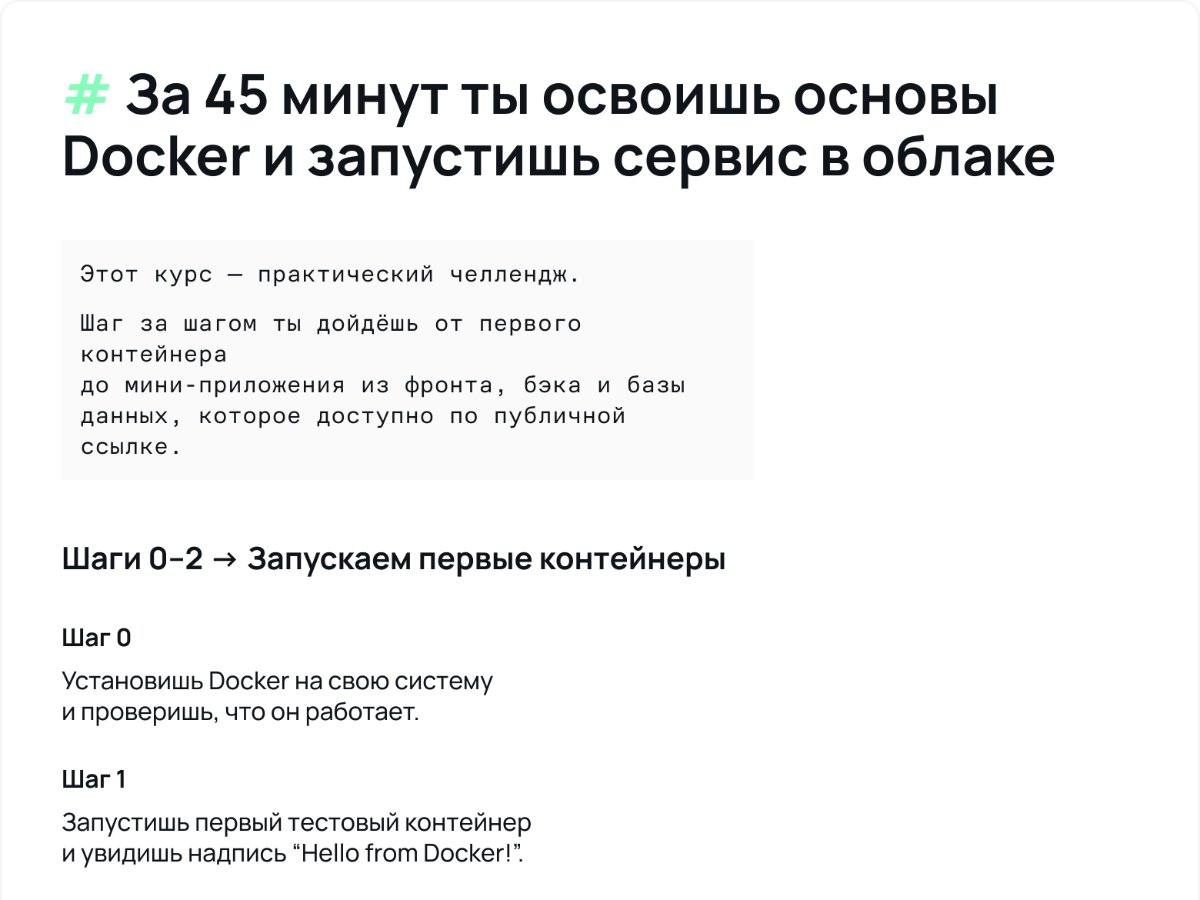
No video, no lectures. A stepper: nine steps of two to five minutes, about 45 minutes end to end, finishing with the user's own service live on a public URL. Every step promises a result before it explains a concept — because the person taking it wants proof they can do this, not a syllabus.

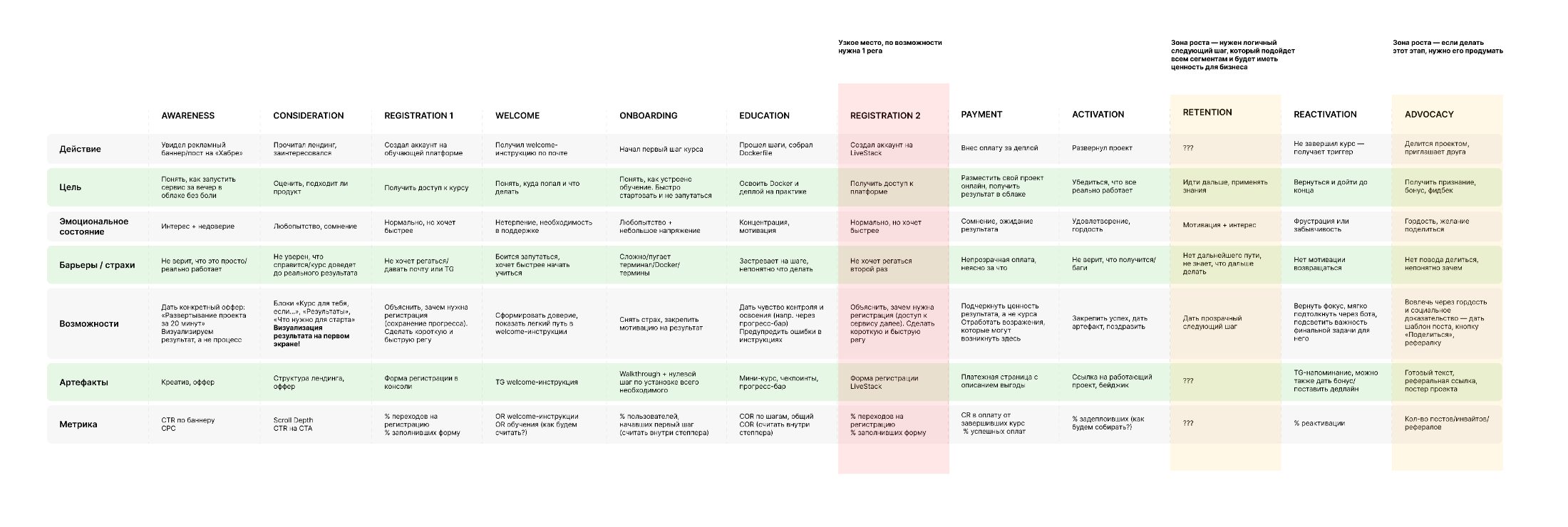
The course only mattered if it delivered users to the platform, so the producer and I wrote out the whole map of touchpoints together — banner on Habr, landing, course, first deploy, payment — with the goal, the emotional state, the barrier, the artefact and the metric for every stage. It gave the team one shared picture of how the thing was supposed to work end to end, before anyone built a screen.
The course depended on a product that wasn't coming back
The final lessons ended on L1veStack — and L1veStack wasn't being relaunched, so I couldn't verify that the last steps even worked. Rather than ship a course whose payoff I couldn't test, I rebuilt the ending onto the main product, H3llo Cloud. Same promise, a platform that was actually running.
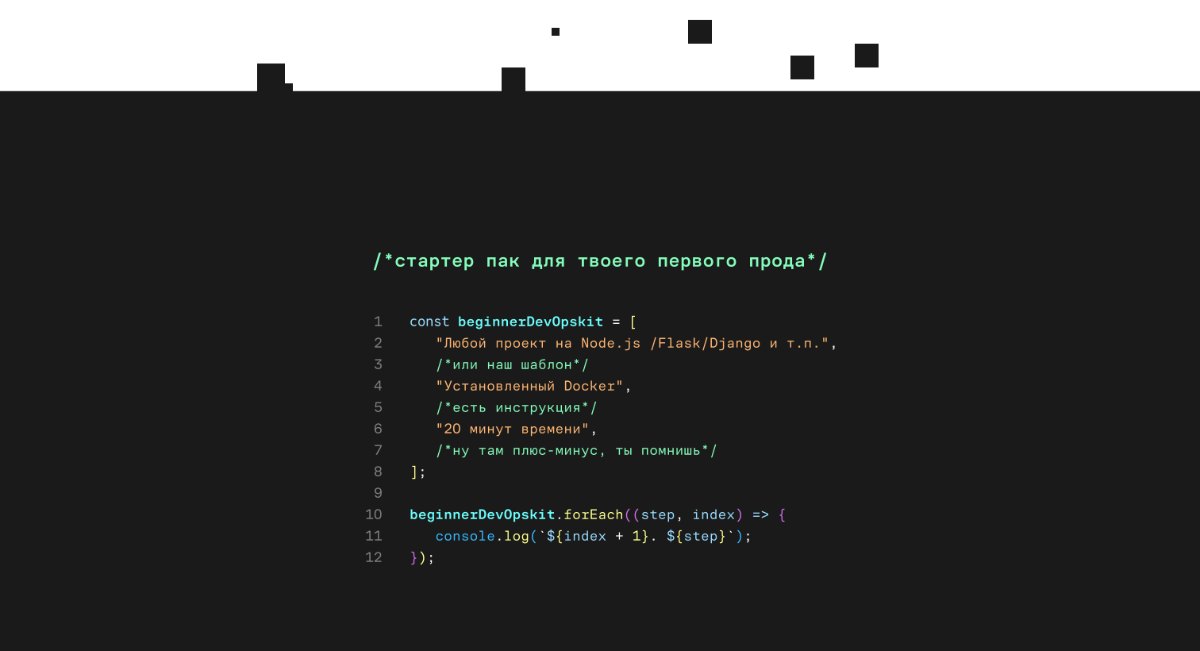
I recruited people who were genuinely in the target audience — junior developers, mid-level engineers, sysadmins moving into cloud — and ran the course with ten of them, iterating between rounds. The last round worked: they finished, they got a service running, and the feedback was positive.

The funding ran out before the launch did.
Not a verdict on the product — the pilot had gone well. But it's the honest end of the story: a validated format, two courses, no public launch.